Learning from History to Walk in Truth and Mercy
History does not simply repeat itself — it warns us.
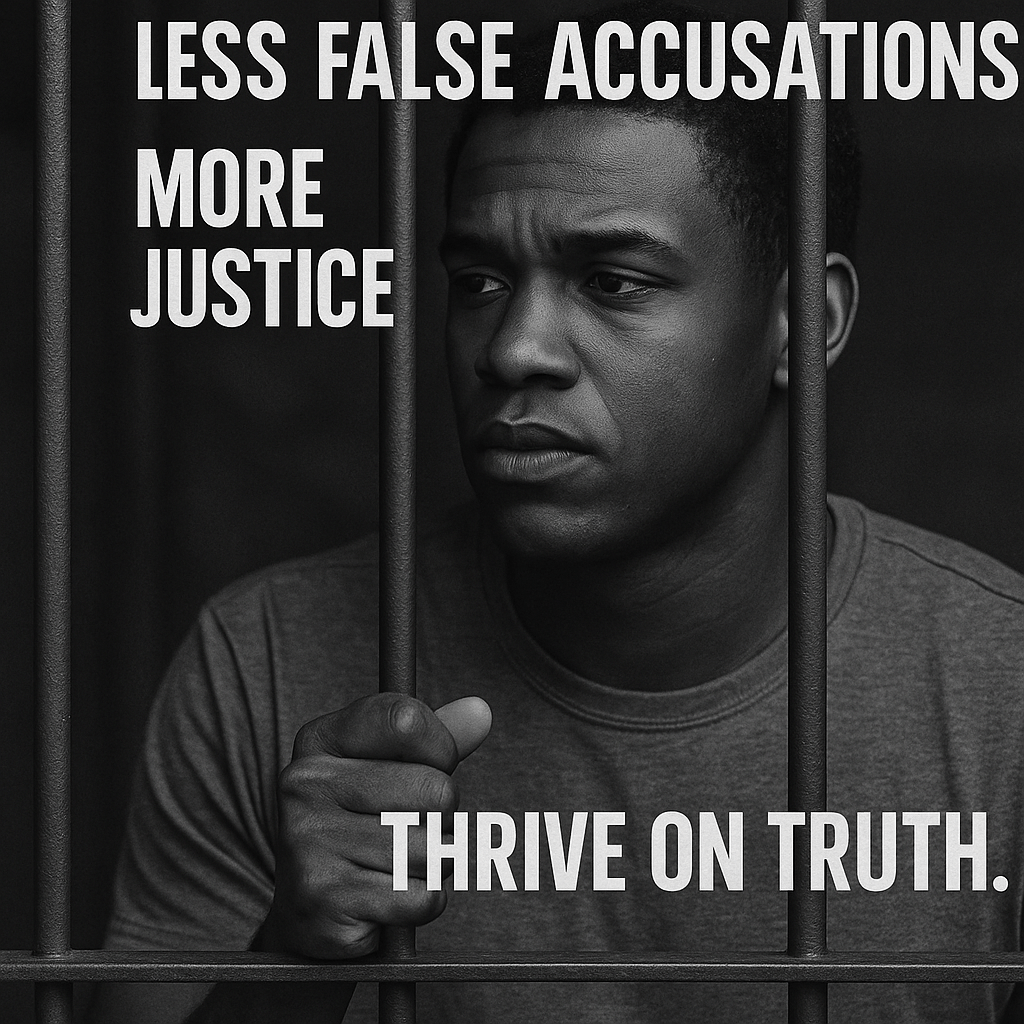
Throughout American history, countless African Americans—especially young men—have been lynched, imprisoned, or killed based on accusations that were later found to be false, exaggerated, or forced. Many of those accusations came from fear, pressure, racism, or sometimes pure evil. Some were honest but mistaken. Others were deliberately fabricated. But the cost was always the same:
A life stolen. A family broken. A voice silenced.
In this Thrive on Less edition, we explore what happens when accusations become weapons — and why we must choose truth, mercy, and justice over fear and judgement.
⚖️ Famous Cases — The Pattern That Repeats
Across time, one painful pattern stands out:
Accusation ➜ Assumption of guilt ➜ No evidence ➜ Punishment ➜ Truth discovered too late
Here are some of the most famous cases:
🧒 Emmett Till (1955) — Age 14, Lynched
A white woman said he flirted with her.
He was tortured and murdered.
Decades later, she admitted: “I lied.”
🚂 The Scottsboro Boys (1931) — 9 Teenagers, False Rape Charge
Two white women cried “rape.”
Doctors found no evidence.
One woman later confessed it was made up.
It took 80 years for full pardons.
📜 George Stinney Jr. (1944) — Youngest Person Executed in the U.S.
He was 14 years old. Trial lasted two hours. No evidence.
In 2014—70 years later—a court finally declared him innocent.
🔥 Tulsa Race Massacre (1921)
A Black teen was accused of assaulting a white woman.
White mobs burned 35 blocks, killed hundreds, and destroyed “Black Wall Street.”
Evidence? None. But the accusation was enough.
🧠 Central Park Five (1989)
Five Black and Latino boys were coerced into confessing to raping a jogger.
DNA didn’t match. The real attacker later confessed.
They lost 13 years of their lives.
🧑🎓 Brian Banks (2002) — Rape Allegation That Never Happened
A promising athlete.
A false accusation.
Prison. Dreams destroyed.
Years later — the accuser admits she lied.
💡 So What Do We Learn?
- Accusations are powerful — but truth is sacred.
- The human heart can be easily manipulated by fear.
- Justice must be anchored in evidence — not emotions.
- The gospel calls us to discernment, not blind judgment.
📖 Biblical Reflection
The Bible strongly warns against false accusations:
“You shall not spread a false report.
Do not join hands with a wicked man to be a malicious witness.”
— Exodus 23:1
“Judge not according to appearance,
but judge righteous judgment.”
— John 7:24
The Bible also calls victims not to vengeance, but to justice with mercy:
“What does the Lord require of you?
To act justly, love mercy,
and walk humbly with your God.”
— Micah 6:8
🌱 Thrive on Less — What Does It Mean Here?
To thrive on less is not just about money…
It’s about less hate, less judgment, less presumption —
and more discernment, more truth, more compassion.
We thrive when we slow down… listen… seek evidence… seek truth…
We thrive when we stop reacting — and start reflecting.
We thrive when we stand with those who cannot speak —
and walk humbly with God…
not as judges, but as servants.
🙏 A Prayer for Justice & Discernment
Lord, give us hearts that listen before judging.
Give us courage to defend the innocent
and humility to admit when we are wrong.
Let us love mercy more than revenge,
truth more than comfort,
and Your kingdom more than our pride.
Amen.
🧭 Moving Forward — How We Can Act Today
✔ Speak up when someone is judged without evidence
✔ Don’t believe everything at first hearing
✔ Teach our children discernment over reaction
✔ Learn history — so we don’t repeat it
✔ Pray for wisdom — because justice begins in the heart
Truth heals. Mercy restores. Knowledge protects.
This is how we Thrive on Less.
 Thrive on Less
Leave a comment