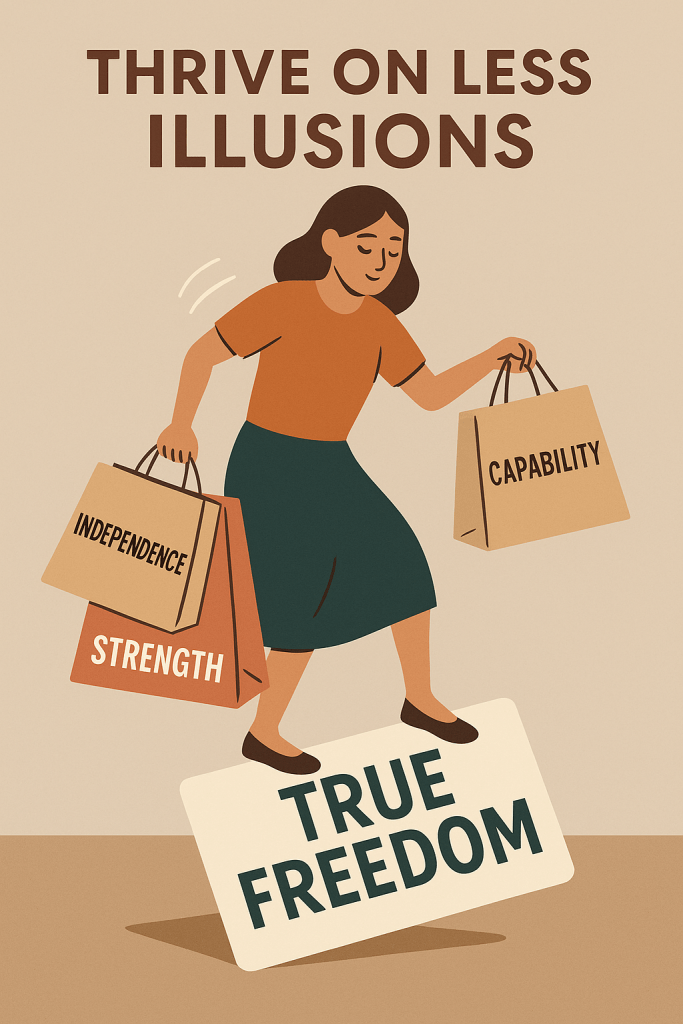
Modern culture has been saturated with the mantra: “Be a strong, capable, independent woman.” You see it in commercials, hear it in music, and scroll past it in countless Instagram captions. On the surface, it sounds empowering—who wouldn’t want to be strong and independent? But beneath the glossy veneer, the rhetoric hides contradictions, manipulations, and burdens that often create more pressure than freedom.
The Roots of the Rhetoric
This idea didn’t appear out of nowhere. In the 1960s and 70s, second-wave feminism encouraged women to step beyond traditional roles. Education, career, and financial freedom became symbols of equality. By the 1990s, media glamorized it: the “boss lady,” the “career-driven woman,” the “she doesn’t need a man” archetype.
What started as a call for dignity and opportunity gradually turned into a cultural script—an identity women were expected to adopt, whether it fit them or not.
The Promise vs. the Reality
The rhetoric promised empowerment. And yes, there are genuine benefits: women pursuing higher education, building careers, and contributing in leadership roles. But the promise often collides with reality:
- Commercialized Empowerment: Brands turned independence into a sales pitch—buy this perfume, these shoes, or that car, and you’re suddenly “empowered.”
- The Burden of Perfection: Women are told to be everything at once—strong, career-driven, nurturing, beautiful, emotionally available. The rhetoric sets up an impossible standard.
- Weaponized Independence: Too often, it morphs into “I don’t need anyone,” dismissing the truth that all humans—men and women alike—are interdependent.
Instead of liberating, it can chain women to a new kind of pressure: the pressure to “perform independence” while still leaning on hidden support networks.
How It Affects Men
For men, this rhetoric is a double-edged sword. On one hand, some embrace it, happy to share life with women who contribute equally. On the other, many feel it’s been used to dismiss their role in relationships and family, painting dependence or cooperation as weakness.
What emerges is conflict rather than cooperation: women told to prove they don’t “need” men, men told their contributions are outdated. In truth, both genders need each other—not in a chain of dependency, but in partnership.
Why It Persists
This narrative persists because it fits the cultural values of the West: individualism, consumerism, and productivity. Governments and corporations benefit from dual-income households. Media benefits from narratives that divide men and women into competing camps. And people, worn down by modern pressures, cling to any identity that promises confidence and self-worth.
But identity rooted in slogans rarely produces true peace.
What the Bible Says
God’s Word provides a very different foundation for identity and strength:
- True Strength Comes from God: “The LORD is my strength and my shield; in him my heart trusts, and I am helped.” —Psalm 28:7
- Humility Over Pride: “God opposes the proud but shows favor to the humble.” —James 4:6
- Interdependence, Not Isolation: “Two are better than one, because they have a good return for their labor: if either of them falls down, one can help the other up.” —Ecclesiastes 4:9–10
- True Freedom in Christ: “It is for freedom that Christ has set us free. Stand firm, then, and do not let yourselves be burdened again by a yoke of slavery.” —Galatians 5:1
Scripture reminds us that strength, capability, and freedom are not things we perform or purchase—they are gifts rooted in God’s design and sustained by His grace.
Thriving on Less
To thrive on less, we must strip away the illusion. Strength does not come from performing independence—it comes from truth. Capability is not measured by a corporate job title or Instagram-worthy lifestyle, but by resilience, compassion, and faithfulness. Independence is not the absence of connection—it is the ability to stand with integrity while still embracing interdependence with others.
Instead of striving to live up to a marketed ideal of the “strong, capable, independent woman,” we thrive when we recognize that real strength is humility, real capability is wisdom, and real independence is found in God—not in consumer culture.
Closing Prayer
Heavenly Father,
We thank You for being our true source of strength and freedom. Forgive us when we fall into the traps of culture and chase illusions instead of Your truth. Teach us humility, wisdom, and balance. Help us see that our worth does not come from slogans or accomplishments but from being Your children. May men and women alike learn to walk together in partnership, guided by love, respect, and Your Word.
In Jesus’ name, Amen.
✨ Save more. Stress less. Thrive. ✨
 Thrive on Less
Leave a comment