Tagline: Borrowed beauty without borrowed burden is not appreciation — it’s erasure.
✦ Introduction: The Strange Paradox of Tanning in a Racist World
How is it that in a society where Black people have been marginalized, criminalized, and dehumanized — white people seek tans, fuller lips, and curvier bodies?
Why is it that the very features Black people have been punished for are now trending when seen on white skin?
Welcome to one of the most unsettling cultural contradictions of our time — the imitation of Blackness without the love or liberation of Black people.
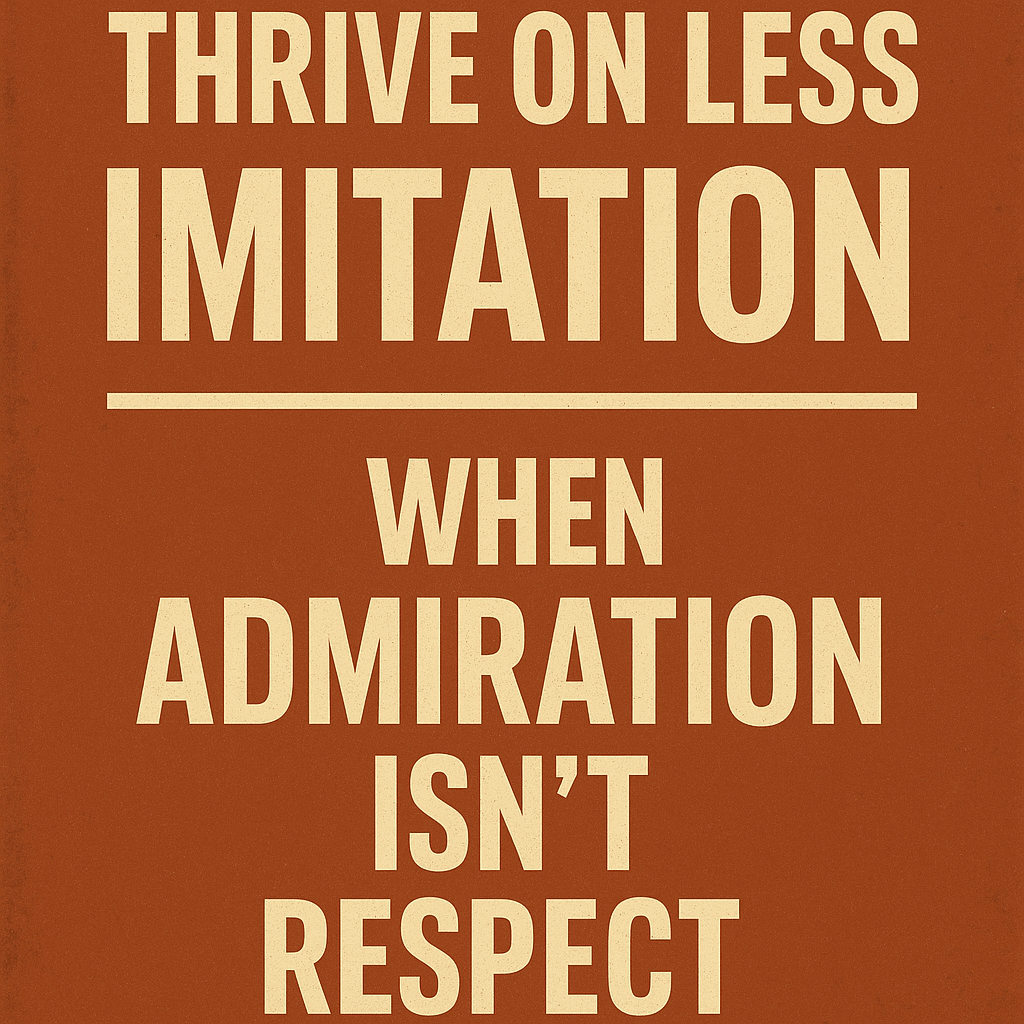
✦ Cultural Theft Dressed as Fashion
From music videos to Instagram feeds, from the runway to reality TV — Black culture is everywhere, but Black people are still excluded.
- White influencers wear box braids and call it “boho chic.”
- Pop stars adopt African American Vernacular English (AAVE) to sound edgy.
- Tanning salons profit from what was once a symbol of class — while Black skin is still seen by many as a threat.
This isn’t just about “liking the look.” It’s about wanting the aesthetic without respecting the origin — or fighting the oppression tied to it.
✦ What’s the Harm?
Many ask, “Can’t we all just share culture?” In a just world, yes. But we’re not in a just world — we’re in a world where:
- Black girls get sent home from school for wearing their natural hair, while white celebrities are praised for cornrows.
- Black men are policed for baggy jeans or hoodies, while white TikTokers monetize the same looks.
- Black creators invent trends, and corporations hand the profits to white faces.
✎ Thrive Note: It’s not cultural exchange if only one side profits. That’s cultural exploitation.
✦ The Legacy Runs Deep
This pattern didn’t start with TikTok. It goes back centuries:
- Sarah Baartman, paraded in Europe in the 1800s for her curvy Black body — while being dehumanized.
- Minstrel shows, where white actors wore blackface to mock and mimic Black people for entertainment.
- Colonial fascination with “exotic” features — while simultaneously enslaving and erasing those cultures.
Modern-day imitation is part of this same lineage: profit without pain, style without story.
✦ Thrive on Less Imitation — and More Integrity
To truly thrive in our humanity, we must go beyond admiration. We must step into accountability, equity, and self-awareness.
Here’s how to shift from imitation to integrity:
1. Honor the Origins
When you adopt a style or phrase rooted in Black culture — name it. Don’t whitewash its origin.
2. Amplify Black Voices
Support Black-owned brands, creators, stylists, and thought leaders. Don’t just copy — contribute.
3. Say No to Double Standards
Speak up when you see Black people being punished for the same things white people are praised for.
4. Understand the History
Before you wear it, post it, or sell it — learn the generational context. It matters.
✦ Final Word: You Can’t Love the Culture and Ignore the People
This is not about guilt — it’s about growth.
It’s about thriving not on what looks good, but what does good.
Because peace, justice, and equality will never come from performance — only from truth.
So let’s stop pretending we don’t see the contradiction.
Let’s thrive on less imitation, and more respect.
→ Join the conversation. What cultural trends do you see being imitated without credit? How are you thriving with more integrity?
 Thrive on Less
Leave a comment