In a world powered by coffee shops on every corner, energy drinks lining convenience store shelves, and tea touted as a daily ritual, caffeine has become our collective lifeline. For many, it’s the first step in the morning and the boost to push through the afternoon slump. But what if we could thrive with less caffeine—maybe even none at all?
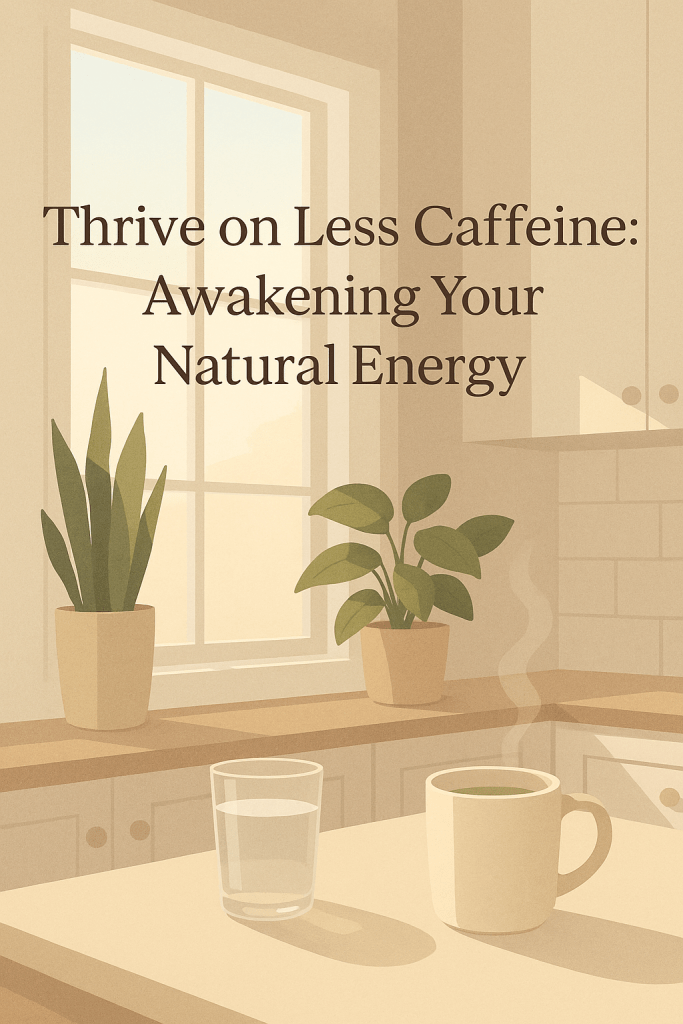
The Caffeine Culture
We’ve been taught to associate productivity with stimulation. The faster we move, the more we accomplish—or so we think. Caffeine plays right into this mindset. While moderate caffeine consumption isn’t inherently harmful for most people, the problem arises when it becomes a crutch instead of a conscious choice.
Relying too heavily on caffeine masks the body’s natural signals. Fatigue is often a message from the body—not a nuisance to silence, but a call to rest, recalibrate, or reflect on lifestyle habits that are depleting us.
The Side Effects of Too Much Caffeine
Over time, excessive caffeine intake can lead to:
- Increased anxiety and jitteriness
- Sleep disturbances and insomnia
- Digestive issues
- High blood pressure
- Dependency and withdrawal symptoms
Rather than helping us thrive, caffeine can quietly rob us of peace, sleep, and emotional regulation—all key pillars of holistic health.
Awaken Your Natural Energy
Thriving on less caffeine isn’t about denying yourself pleasure or productivity. It’s about returning to your body’s natural rhythms and trusting its cues. Here’s how to start:
1. Prioritize Restorative Sleep
Caffeine is often used to compensate for poor sleep. By going to bed earlier, improving your sleep hygiene, and avoiding screens late at night, you reduce your need for external stimulants.
2. Hydrate Generously
Fatigue is often a sign of dehydration. Begin your day with a tall glass of water instead of coffee. It gently wakes your system, flushes toxins, and supports brain clarity.
3. Move Your Body
Even light movement like stretching, walking, or yoga can reinvigorate your body and naturally boost energy levels. Movement creates momentum—physically and mentally.
4. Eat for Energy
Opt for balanced meals rich in whole foods: fruits, vegetables, healthy fats, and proteins. These fuel your body evenly without the rollercoaster crash of sugar and caffeine spikes.
5. Try Herbal Alternatives
If the ritual of a warm drink is important to you, consider caffeine-free herbal teas like chamomile, rooibos, or peppermint. Adaptogenic herbs like ashwagandha or rhodiola can also offer sustained energy and stress resilience.
Your Mind, Awake
Perhaps the greatest benefit of reducing caffeine is mental clarity. Without the highs and crashes, your mind becomes more stable and present. You may feel calmer, more centered, and better in tune with your thoughts and emotions.
By thriving on less caffeine, you aren’t giving up energy—you’re reclaiming it in its purest form. Let your body rest. Let your energy rise from within, not from a cup.
Minimalism isn’t just about things. It’s about what we consume mentally, emotionally, and physically.
Thrive on Less. Wake up to the life within you.
 Thrive on Less
Leave a comment